
best nile cruise
Our Review Methodology
How we evaluate and rank Nile cruises – transparent, consistent, and unbiased
How to Read Our Reviews
BestNileCruise.com publishes Nile cruise reviews and comparisons. Our purpose is to help readers compare ships, routes, cabins and inclusions using a consistent scoring framework. Editorial scores are judgments based on the information available; they are not official classifications or a guarantee of the experience on a future sailing.
How We Score: The 6 Categories
Scored reviews use the same six criteria. Each published category score is from 0 to 10, and the six scores are combined into a weighted Overall Score. Some reviews do not yet have published scores. Below, we explain exactly what each category covers, what we look for, and how we assign scores.
Reading the evidence: Scores are editorial assessments, not official hotel classifications or an average of customer ratings. A score alone does not establish that a ship was visited in person. Source notes should identify operator information, guest feedback and any firsthand observations. An inspection claim needs a reviewer and visit date; guest-review evidence needs the platform, sample size and date checked. Where those details are absent, they are not publicly documented.

A Note on Cruise Ship Categories
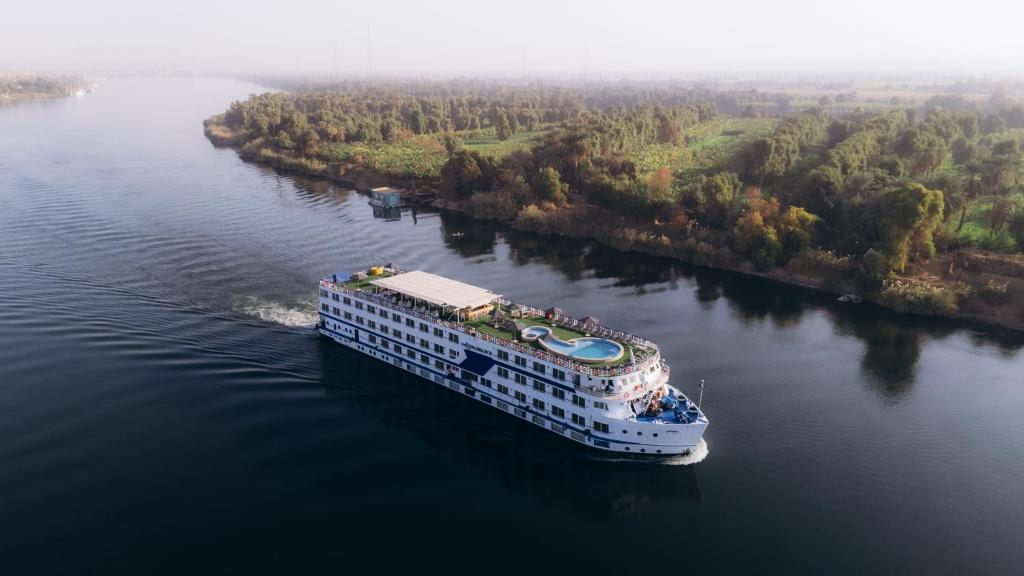
Nile cruise ships come in a range of categories, from standard vessels to ultra-deluxe floating hotels. A standard Nile cruise ship will naturally have fewer facilities and simpler finishes than an ultra-deluxe ship — that is expected, not a flaw. It would be unfair to penalize a well-run standard ship for not having the spa and marble bathrooms of a luxury vessel.
For this reason, we always evaluate Nile cruise ships within their own category. A luxury cruise ship is compared to other luxury cruise ships. A standard ship is compared to other standard ships. Our four categories are: Standard, Deluxe, Ultra-Deluxe, and Luxury. When we say a cruise ship scores 8/10 for amenities, that means 8/10 relative to what is expected and possible for a ship in that category, not measured against a completely different tier.
Category 1: Value for Money (20% of Overall Score)
This category measures whether the overall quality and experience of the cruise justify its price. It is not about finding the cheapest option. A higher-priced cruise can score very well here if the quality genuinely matches the cost, and a budget cruise can score poorly if it under-delivers for its price point.
Important: This category assesses the overall price-to-quality ratio. The specific details of food and drink quality are evaluated under Category 4: Dining & Drinks, and the specifics of what is included in excursions are evaluated under Category 5: Excursion Quality. We do this to avoid counting the same factor twice.

What We Evaluate
- Base price per night compared to quality received. We look at what a guest pays for one night aboard and compare that against the overall standard of the ship, cabins, food, and service. A cruise charging $250/night should deliver a noticeably better experience than one at $100/night.
- Price competitiveness within the same category. We compare each Nile cruise ship against others in its category. A luxury cruise is measured against other luxury cruises, not against standard ships. This ensures the evaluation is fair within each tier.
- Transparency of pricing. Does the cruise clearly communicate its total cost upfront, or does the advertised price hide significant additional charges? We reward cruises that are straightforward about what guests will actually pay. A cruise that promises “all-inclusive” but then charges for soft drinks or temple entry fees has a credibility problem, and that hurts this score.
- Overall cost-to-benefit ratio. Combining everything above, we assess whether the total cost of the cruise — including any extras that come up during the voyage — feels fair, generous, or overpriced relative to the complete experience delivered.
How We Score
| Score | What It Means |
|---|---|
| 9–10 | Exceptional value — the quality and experience significantly exceed what the price would suggest. Guests consistently feel they got more than they paid for. |
| 7–8 | Good value — fair pricing for the quality offered. No unpleasant surprises. The cruise delivers what its price promises. |
| 5–6 | Average value — price matches quality. Standard for the category, nothing stands out as particularly generous or stingy. |
| 3–4 | Below average — somewhat overpriced for what guests receive. The experience does not fully justify the cost. |
| 0–2 | Poor value — significantly overpriced relative to quality. Guests frequently report feeling shortchanged. |
Category 2: Luxury Level (20% of Overall Score)
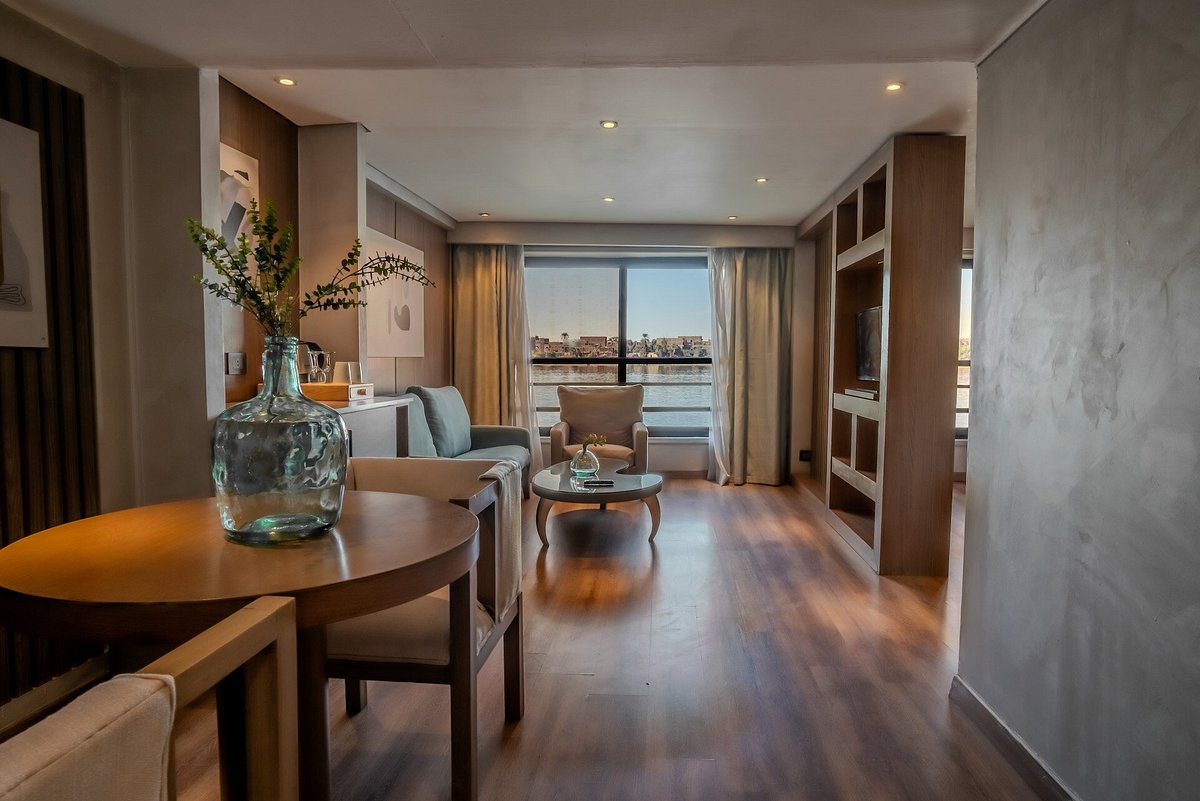
This category measures the physical quality, design, and overall elegance of the ship and its cabins. Think of it as the first impression that lasts the entire voyage: from the moment you step into the reception area to the feeling of the sheets in your cabin at night.
Note: Staff appearance and presentation (uniforms, grooming, professionalism in demeanor) are evaluated here as part of the ship’s overall luxury atmosphere. How staff actually treat guests — friendliness, responsiveness, problem-solving — is evaluated separately under Category 6: Guest Experience.
What We Evaluate
- Ship condition and age. Is the vessel new, recently renovated, or showing signs of age? We look at the general state of repair, from paint and carpets to fixtures and fittings. A well-maintained older ship can score just as well as a brand-new one.
- Cabin quality and comfort. Bed quality, mattress comfort, linen standard, pillow selection, cabin size, storage space, and bathroom finishes. Does the cabin feel like a proper hotel room or a cramped afterthought?
- Interior design and atmosphere. The overall look and feel of common areas, reception, lobbies, corridors, and dining spaces. Is the design cohesive and tasteful, or dated and generic? Do the spaces feel welcoming and well-considered?
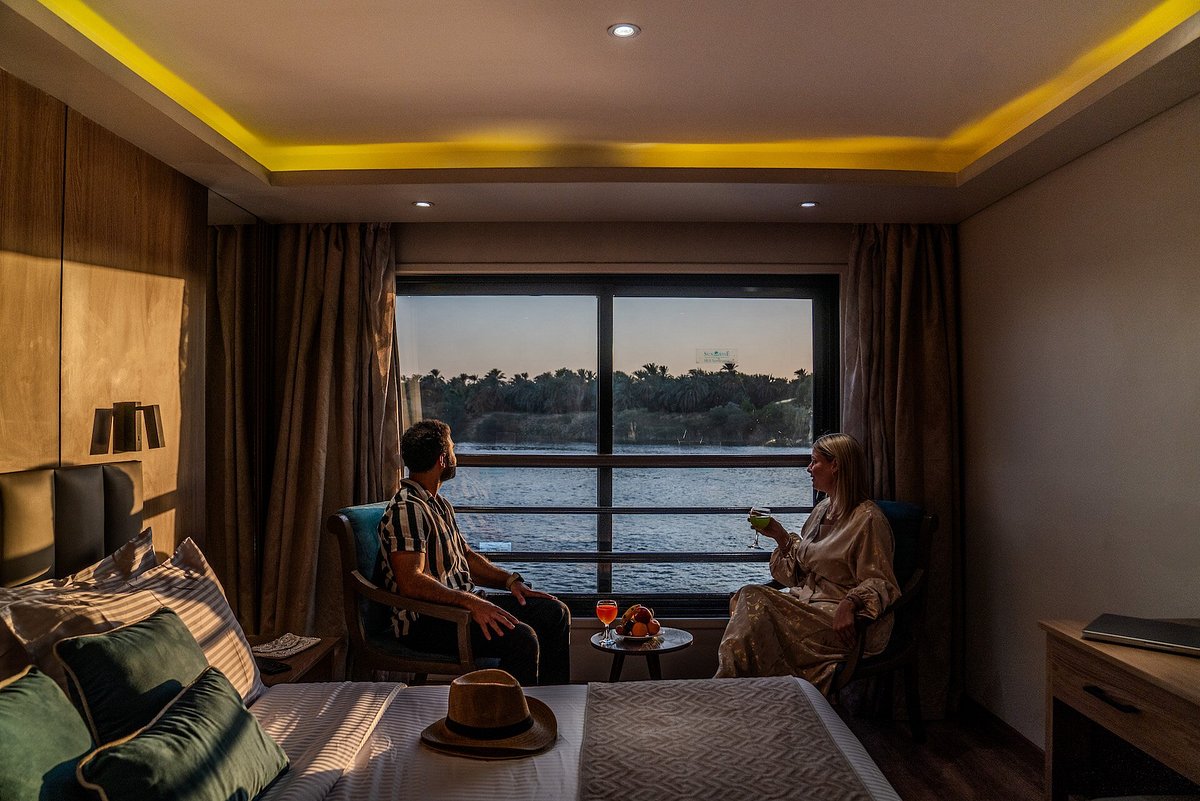
- Balcony and views. Does the cabin have a private balcony, a French balcony, or just a window? For Nile cruises, river views are a major part of the experience. The ability to watch the riverbanks from your own private space adds significant value.
- Cleanliness and upkeep. This is non-negotiable. We evaluate how clean cabins, bathrooms, common areas, and the pool deck are maintained throughout the voyage — not just on embarkation day. Consistent cleanliness across the entire trip is what matters.
- Staff presentation and professionalism. How the crew presents itself — uniforms, grooming, demeanor — contributes directly to the luxury atmosphere. Professional, well-presented staff elevate the feeling of quality on board.
How We Score
| Score | What It Means |
|---|---|
| 9–10 | Exceptional luxury — the ship rivals high-end hotels. Stunning design, impeccable finishes, premium bedding, and a sense of elegance throughout. |
| 7–8 | High quality — well-designed and comfortable. Cabins are spacious, common areas are attractive, and the ship feels well cared for. |
| 5–6 | Standard — clean and functional but without notable design flair. Cabins are adequate, finishes are mid-range. |
| 3–4 | Below standard — showing visible wear, dated interiors, or inconsistent maintenance. Some areas feel neglected. |
| 0–2 | Poor — significant maintenance issues, unclean areas, or a ship that feels run-down and uncomfortable. |
Category 3: Amenities Quality (15% of Overall Score)
This category covers the facilities and services available on board beyond your cabin. It is about what the ship offers for relaxation and enjoyment during sailing time, and how good those offerings actually are. Having a pool listed on the brochure means nothing if the pool is tiny, dirty, or always in the shade.
Remember: Amenities are evaluated relative to the cruise ship’s category. A standard Nile cruise ship is not expected to match the facilities of a luxury vessel. See “A Note on Cruise Ship Categories” above

What We Evaluate
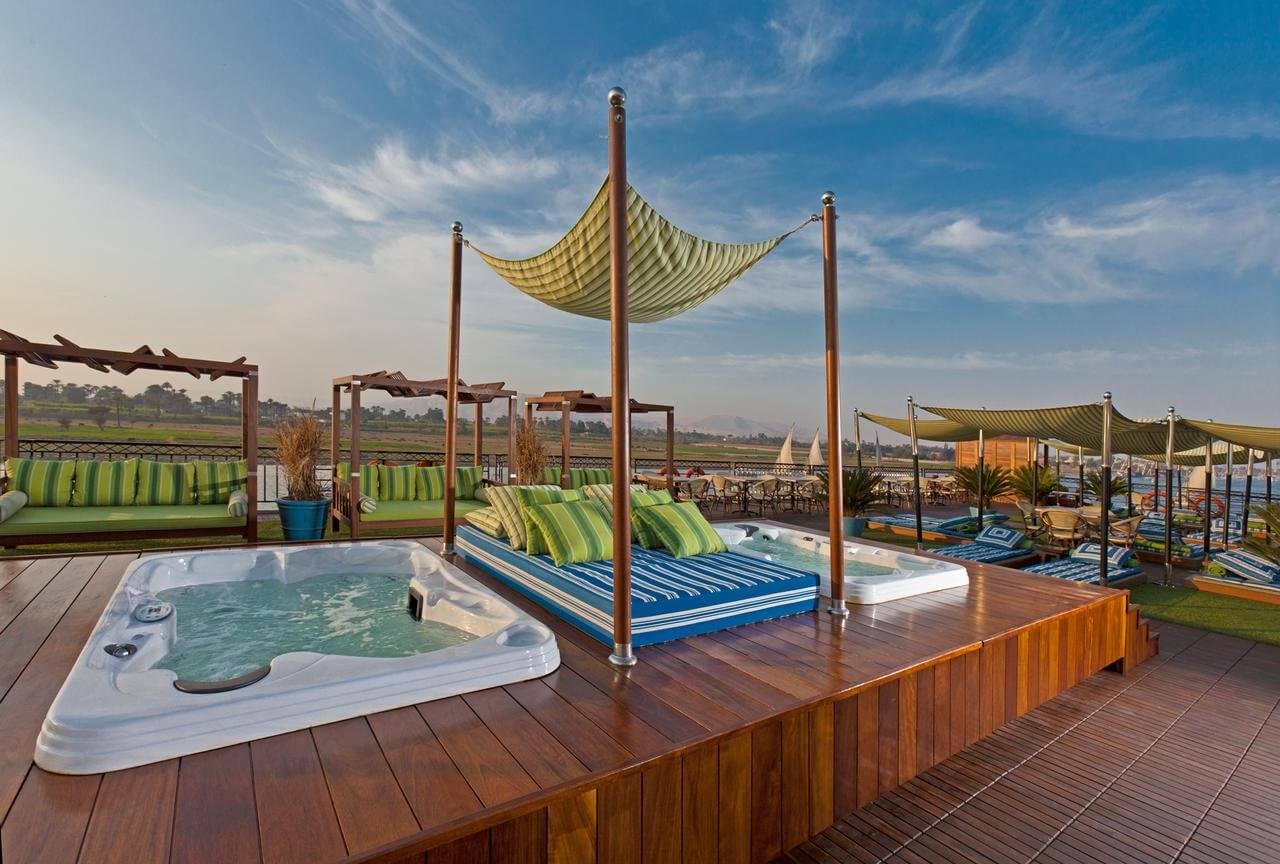
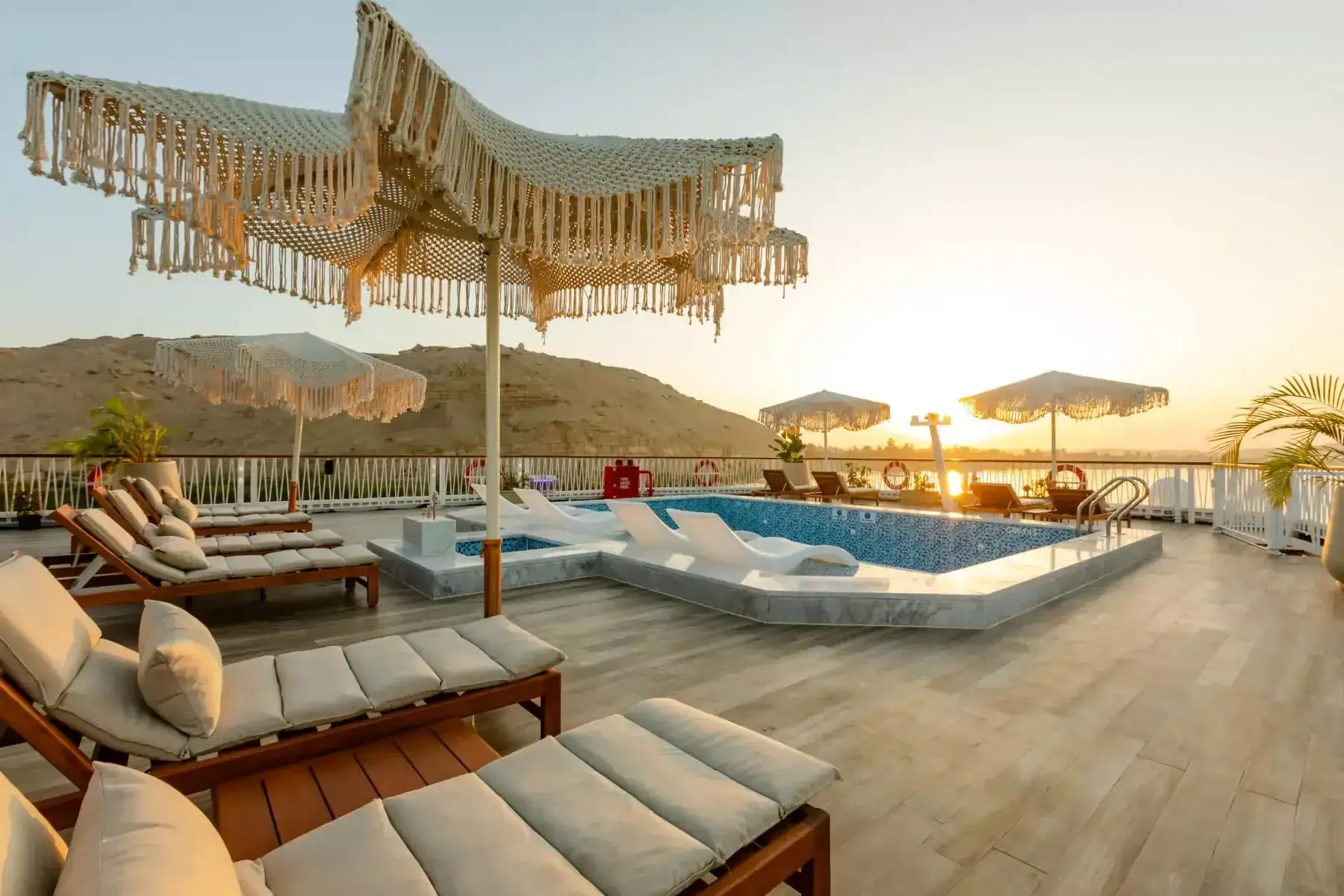
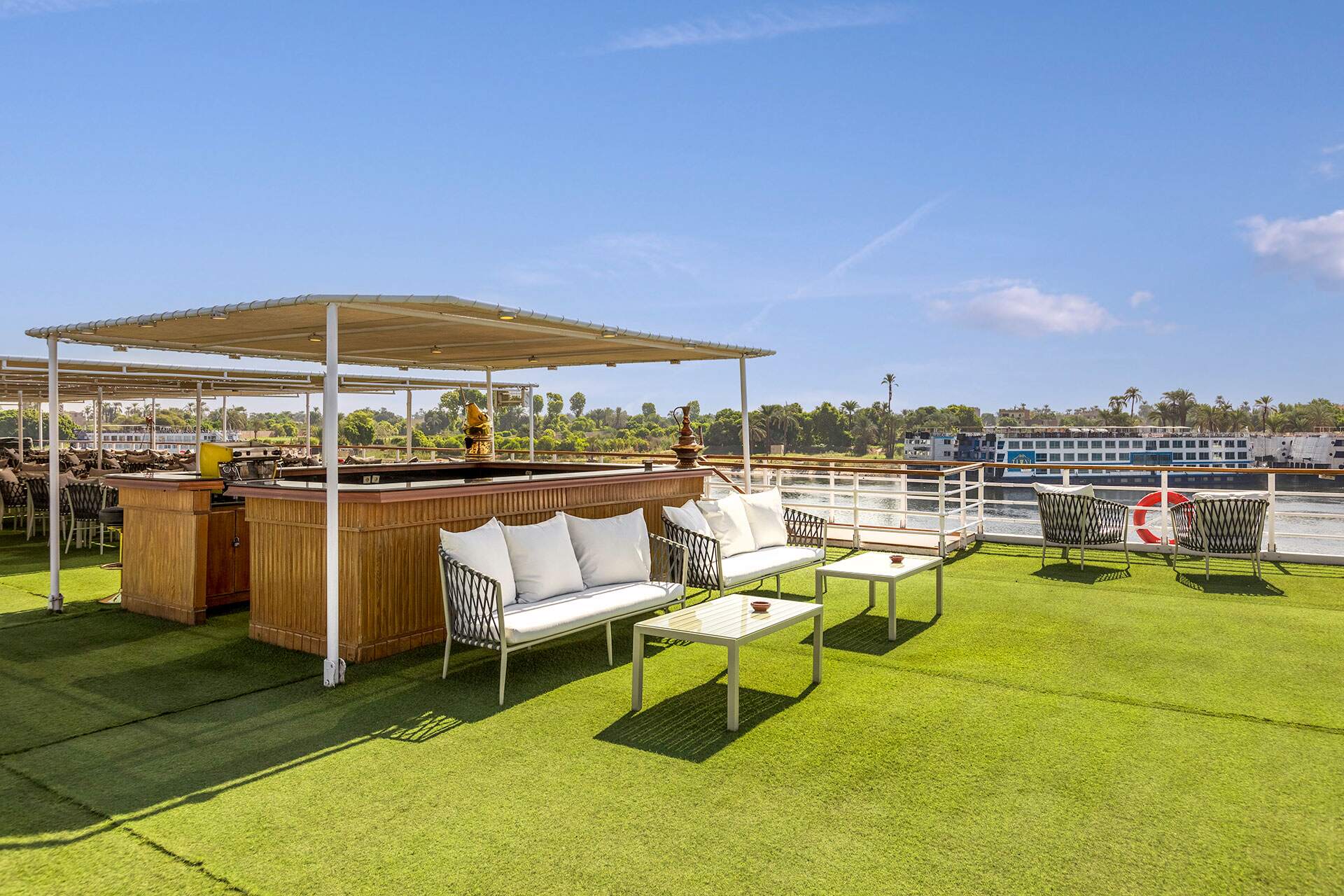
- Swimming pool and sun deck. Size, cleanliness, number of sun loungers relative to guest capacity, shading options, and overall atmosphere. For Nile cruises, the sun deck is where many guests spend their sailing time — watching the riverbanks, relaxing between excursions — so this matters enormously.
- Spa and wellness facilities. Does the ship have a spa? What treatments are offered? Is there a gym or fitness area? How well-equipped and maintained are these spaces?
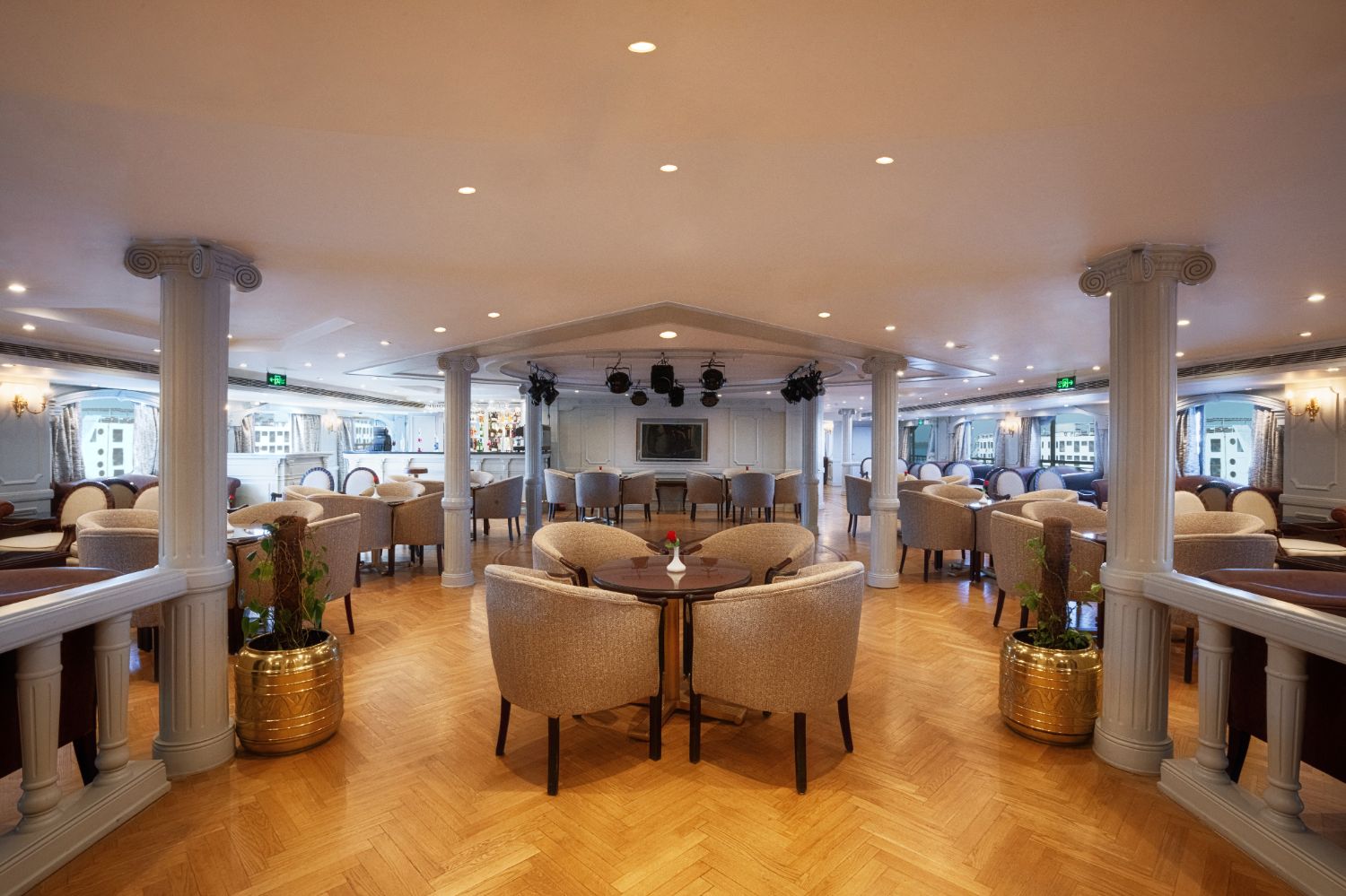
- Lounge and bar areas. Quality of the bar, drink selection, seating comfort, and ambiance. Is there a pleasant place to sit in the evening with a drink and enjoy the views?
- Entertainment and activities. What does the ship offer in the evenings? Common options on Nile cruises include belly dancing shows, Nubian music nights, galabiya (traditional tunic) parties, cocktail events, and Egyptian cooking classes. We evaluate both the variety and the quality of what is on offer.
- Wi-Fi and connectivity. Is Wi-Fi available, and does it actually work? On the Nile, connectivity can be patchy, but we note whether the ship makes a genuine effort to provide internet access and whether it is included in the price or charged separately.
- Gift shop and onboard services. Does the ship have a shop, a library, a reading room, or other small touches that add convenience and character? These are minor factors but contribute to the overall onboard experience.
- Accessibility. Does the ship have elevators between decks? Are there accommodations for guests with mobility issues? Many Nile cruise ships lack elevators, which is critical information for some travelers.
How We Score
| Score | What It Means |
|---|---|
| 9–10 | Exceptional amenities — spacious sun deck, well-maintained pool, quality spa, excellent lounge areas, and consistently good entertainment. |
| 7–8 | Good amenities — the ship has most expected facilities in good condition. Some standout features like a particularly nice bar or an above-average spa. |
| 5–6 | Adequate — basic facilities are present and functional but unremarkable. Pool and sun deck exist but may be small or crowded. |
| 3–4 | Limited — few amenities available, or existing ones are poorly maintained. Entertainment is minimal or low-quality. |
| 0–2 | Very limited — missing expected facilities for this category of Nile cruise ship, poorly maintained spaces, or amenities that exist on paper but not in practice. |
Category 4: Dining & Drinks (15% of Overall Score)
Previously called “Inclusions & Extras.” Renamed in March 2026 to focus exclusively on the food and beverage experience on board. Items previously covered here relating to temple fees, transfers, and tipping have moved to Category 5: Excursion Quality, where they naturally belong.
Food is one of the single biggest factors in any Nile cruise experience. Many cruise packages include most meals on board, so dining quality has a strong influence on the trip. This category is dedicated entirely to the quality of what you eat and drink on board.
What We Evaluate
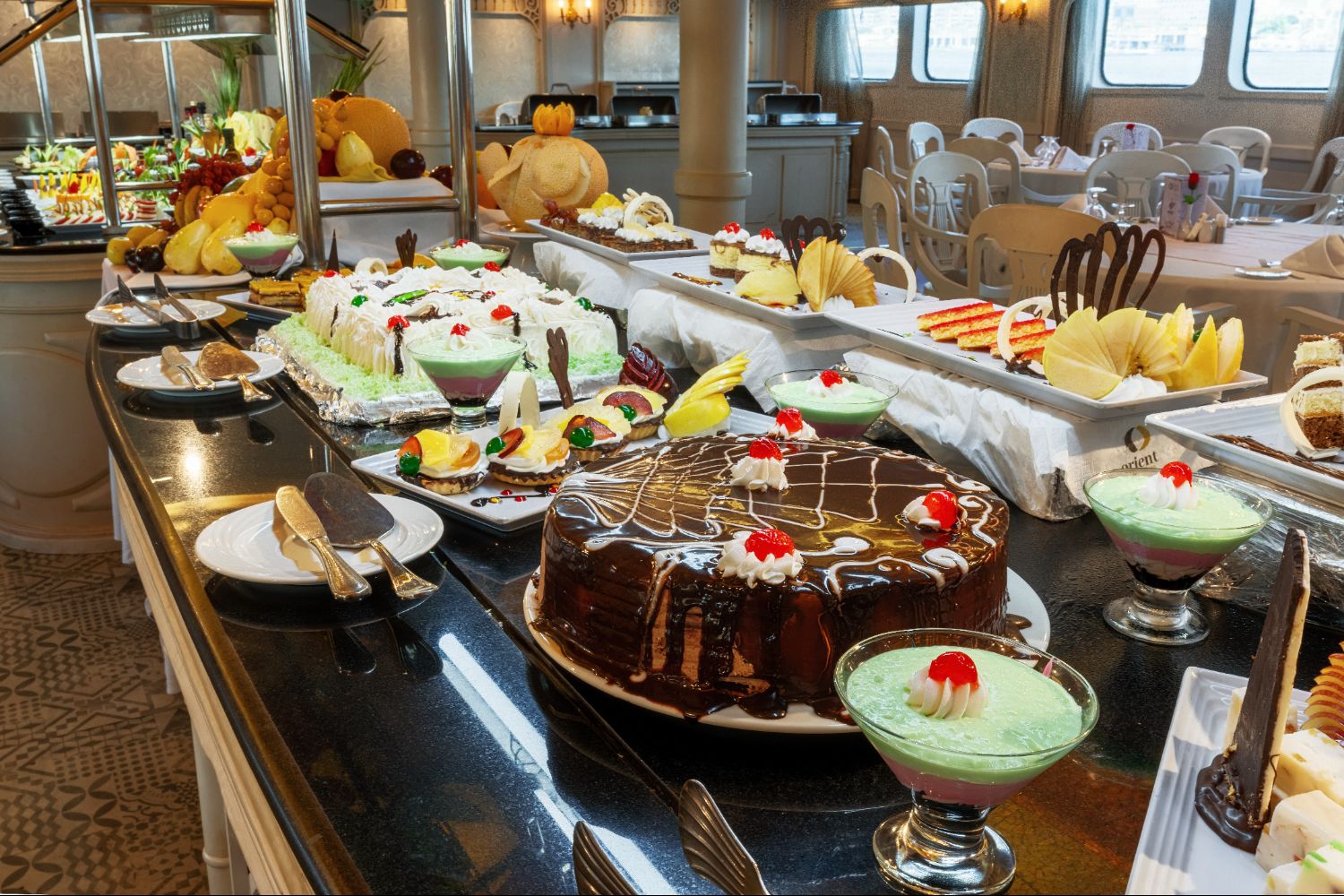
- Food quality. Is the food genuinely good, or just filling? We assess taste, freshness, and presentation across breakfast, lunch, and dinner. Good food on a Nile cruise means properly seasoned dishes, fresh ingredients, and meals that are cooked with care — not reheated mass catering.
- Variety and daily rotation. Does the menu change daily, or do guests eat the same dishes on repeat? We look for a healthy balance of Egyptian and international cuisine, enough options at each meal to satisfy different tastes, and menus that keep things interesting across a multi-day voyage.
- Buffet vs. plated dining. Does the ship offer buffet service, sit-down plated meals with menu choices, or both? Plated dining typically signals a higher standard, though a well-executed buffet with generous variety can be excellent. We note what type of dining the ship provides and how well it is executed.
- Dietary accommodations. Can the ship cater to vegetarian, vegan, gluten-free, halal, or other dietary needs? How well do they handle special requests? This is increasingly important for international travelers and we flag ships that handle it particularly well or particularly poorly.
- Drink policies and quality. Are soft drinks, juices, tea, and coffee included in the fare? What about alcohol? Many Nile cruises charge separately for all beverages beyond water. We note exactly what is and is not included, what drinks cost if purchased separately, and whether the bar is well-stocked with quality options.
- Meal scheduling and flexibility. Are meal times rigid or flexible? Can guests get a snack, fruit, or light meal outside of set dining hours? On cruises with very early morning excursions (such as early departures for Abu Simbel), is an early breakfast available, or do guests go hungry until they return?
- Dining atmosphere. Is the restaurant space pleasant? Is it well-laid-out, or cramped and noisy? Are tables assigned or flexible? Is the pacing of service comfortable, or do guests feel rushed or left waiting? The dining room is where guests spend a significant part of their time on board, so the atmosphere matters.
How We Score
| Score | What It Means |
|---|---|
| 9–10 | Outstanding dining — excellent food quality, varied daily menus, good drink options, dietary needs handled well. Guests frequently single out the food as a highlight of the cruise. |
| 7–8 | Good dining — food is reliably tasty and varied, drinks policy is reasonable, the dining experience is pleasant. No major complaints. |
| 5–6 | Average — food is acceptable and filling but unremarkable. Limited variety or repetitive menus. Basic drink options. |
| 3–4 | Below average — food quality is disappointing, menus are repetitive, dietary needs are poorly handled, or the dining experience feels like an afterthought. |
| 0–2 | Poor — food is bad, options are very limited, or guests report hygiene concerns with the kitchen or dining area. |
Category 5: Excursion Quality (15% of Overall Score)
The temples and archaeological sites between Luxor and Aswan are the reason most people take a Nile cruise. This category evaluates the complete excursion experience: the quality of the guide, the logistics of each visit, and the transparency of what is and is not included in the excursion package.

What We Evaluate
Guide & Itinerary
- Egyptologist guide quality. This is the single most important factor in excursion quality. Is the guide a licensed Egyptologist? Are they knowledgeable, engaging, passionate, and able to answer questions in depth? Do they bring the ancient sites to life with stories and context, or do they rush through a memorized script? A great guide transforms a temple visit from sightseeing into a genuine education.
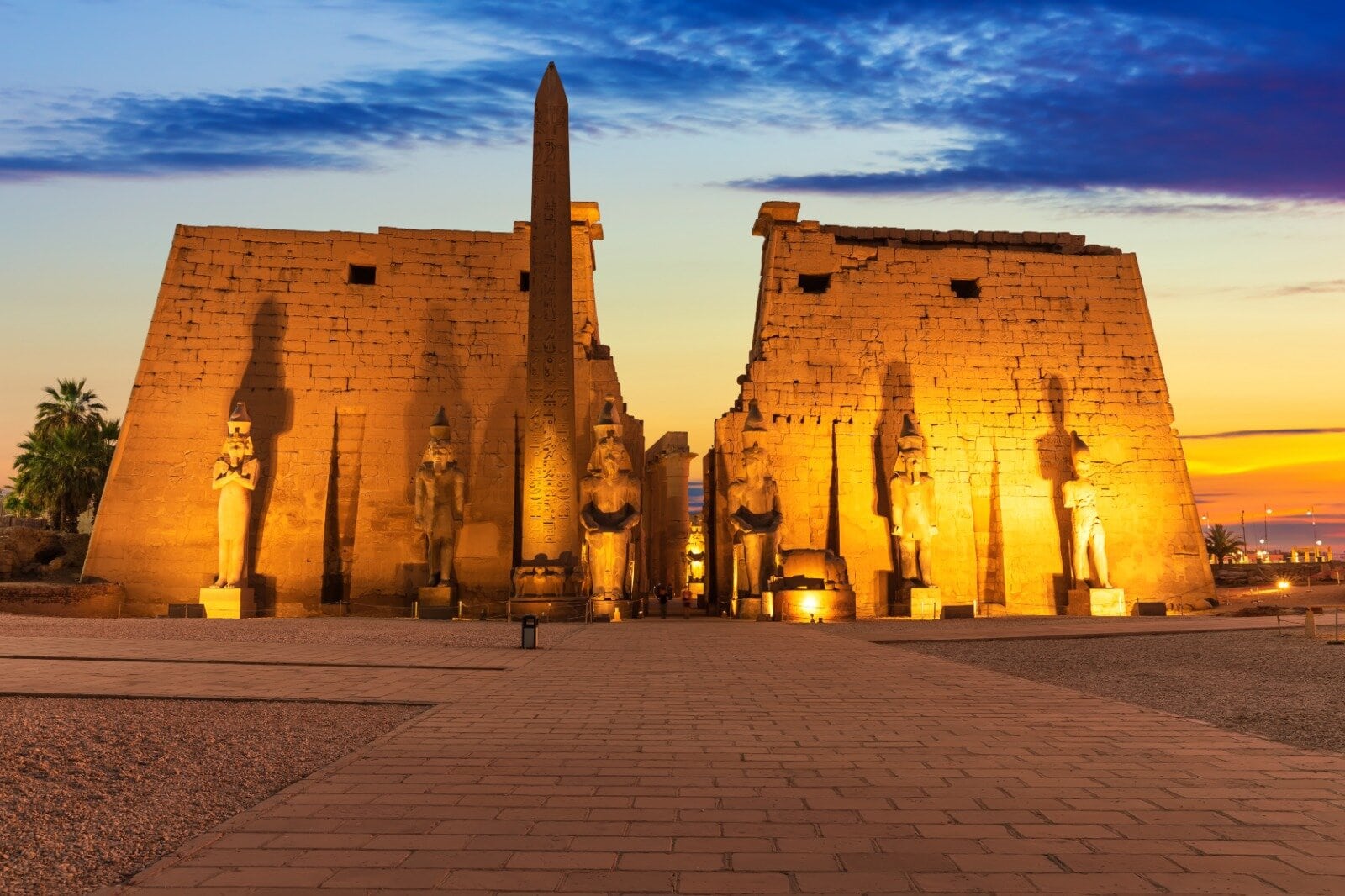
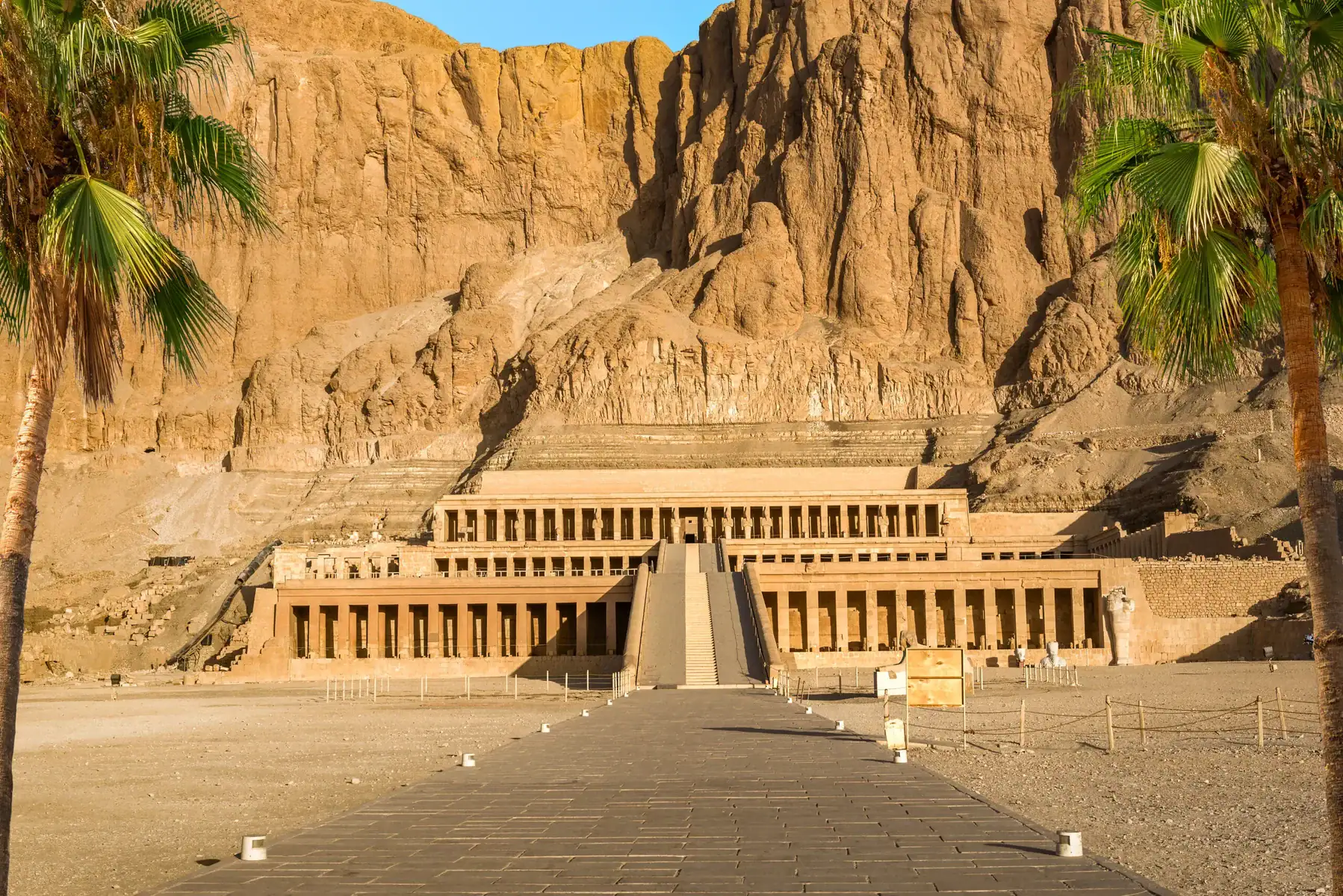
- Itinerary coverage. Does the cruise cover the essential sites? Key stops on a Luxor-to-Aswan itinerary typically include Karnak Temple, Luxor Temple, Valley of the Kings, Hatshepsut Temple, Edfu Temple, Kom Ombo Temple, Philae Temple, and the Aswan High Dam. We note what is included and what is skipped or offered only as a paid optional.
- Group sizes. Smaller groups mean a better experience at each site. We evaluate how many guests are in each excursion group and whether the cruise makes any effort to keep numbers manageable. At crowded sites like the Valley of the Kings, group size makes a real difference.
- Timing and scheduling. Do excursions start early enough to avoid the worst heat and crowds? Is enough time given at each site, or do guests feel rushed? Is the overall pace comfortable across the whole itinerary, or exhausting?
Inclusions & Costs
- Temple entry fees. Are admission fees to temples and archaeological sites included in the cruise price, or must guests pay separately at each stop? Entry fees across a full Luxor-to-Aswan itinerary can add up to a significant hidden cost if not included. We note exactly what is covered.
- Transfers to sites. Does the cruise include all transport between the ship and the sites? What about the motorboat ride to Philae Temple or the horse-drawn carriage to Edfu Temple? These small extras can add unexpected costs that are not obvious at booking time.
- Optional excursions and pricing. What optional extras are available (Abu Simbel day trip, hot air balloon over Luxor, Nubian village visit, felucca ride)? Are these fairly priced and well-organized, or does the cruise use them as aggressive upselling opportunities with inflated prices?
- Tips and gratuities policy. Is tipping for guides and excursion staff included, suggested at a specific amount, or actively pressured on the first day? We note whether the cruise has a transparent tipping policy and whether guests feel comfortable with how it is handled. Aggressive tipping pressure — particularly the common practice of demanding upfront payment on day one — is a frequent complaint on Nile cruises and we flag it explicitly.
Logistics & Comfort
- Transport quality. Is air-conditioned transport provided between the ship and the sites? Are vehicles clean and comfortable? This matters enormously in Egyptian heat that can exceed 40°C in summer.
- On-site support. Are water and shade available during visits? Does the guide manage the group well at crowded sites? How does the crew help guests navigate the aggressive vendors at docking points and temple entrances?
How We Score
| Score | What It Means |
|---|---|
| 9–10 | Exceptional — excellent Egyptologist guide, comprehensive itinerary, most entry fees and transfers included, small groups, comfortable timing, well-organized logistics, and transparent pricing on any optional extras. |
| 7–8 | Good — knowledgeable guide, covers main sites well, reasonable inclusions and group sizes. Minor issues with timing, logistics, or a few extra costs that could be clearer. |
| 5–6 | Average — guide is adequate, standard itinerary, larger groups. Some sites feel rushed. Several costs not included that guests expected to be covered. |
| 3–4 | Below average — guide is uninspiring or poorly informed, key sites skipped, groups are too large, or guests feel nickel-and-dimed with unexpected fees at every stop. |
| 0–2 | Poor — unqualified guide, very limited itinerary, aggressive upselling, or excursions feel like a disorganized afterthought. |
Category 6: Guest Experience (15% of Overall Score)
This category considers guest satisfaction, staff service and how problems are handled. Guest feedback can support or challenge the assessment of a ship’s advertised features.
Claims based on guest reviews should identify the review platforms, sample size and date checked. A displayed score is not itself proof of a verified sample. Staff presentation is considered separately under Luxury Level.

What We Evaluate
- Overall guest satisfaction. What is the general sentiment across multiple review platforms? Do guests recommend the cruise? Would they book it again? We look at the overall picture, not isolated reviews.
- Consistency of experience. Does the cruise deliver a reliable experience trip after trip, or do reviews vary wildly between excellent and terrible? Consistency matters because travelers need to know what they are likely to get, not just what is possible on a good day.
- Staff friendliness and service quality. How do guests describe their interactions with the crew? Are staff helpful, warm, and attentive? Do they go out of their way to make guests comfortable? On a Nile cruise, where you interact with the same crew for several days, the warmth and personality of the staff can define the entire experience.
- Problem resolution. When things go wrong — and on any travel experience, things occasionally do — how does the cruise handle complaints? Are issues resolved quickly and fairly, or ignored and dismissed?
- Atmosphere and onboard culture. What kind of atmosphere does the cruise create? Is it lively and social, quiet and intimate, or something in between? Do guests feel comfortable and welcome? Is there an overly pushy sales culture around optional excursions or onboard shopping?
- Safety and security. Do guests feel safe on board and during excursions? This includes physical safety, the presence and helpfulness of crew at busy tourist sites, and how well the cruise manages interactions with aggressive vendors at docking points and temple entrances.
How We Score
| Score | What It Means |
|---|---|
| 9–10 | Outstanding guest feedback — consistently high ratings across platforms, guests frequently describe the cruise as a highlight of their Egypt trip. |
| 7–8 | Positive feedback — most guests are satisfied, with only minor complaints. The cruise generally delivers on its promises. |
| 5–6 | Mixed feedback — reviews are split, with some guests happy and others disappointed. The experience may depend on the specific trip, cabin, or guide. |
| 3–4 | Below average feedback — common complaints about service, cleanliness, food, or excursions. Significant gap between marketing and reality. |
| 0–2 | Predominantly negative feedback — widespread complaints, low ratings across platforms, or reports of misleading advertising. |
How We Handle Limited Evidence
New ships and ships with limited published feedback need clear evidence labels. Operator specifications can describe facilities and advertised services, but they do not establish the quality of a completed guest experience.
A review should identify which conclusions rely on operator information, which are supported by guest feedback and which come from documented firsthand observation. Missing source information is an evidence gap; it does not, by itself, prove that a ship is new or poor quality.
A preliminary label should explain what remains uncertain. It should not imply that a review count, inspection or verification has been documented when those details are unavailable.
How We Score
The Overall Score is not a separate evaluation. It is the weighted average of the six category scores, calculated using this formula:
Overall Score = (Value for Money × 20%) + (Luxury Level × 20%) + (Amenities Quality × 15%) + (Dining & Drinks × 15%) + (Excursion Quality × 15%) + (Guest Experience × 15%)
| Category | Score | Weight | Weighted |
|---|---|---|---|
| Value for Money | 8.5 | 20% | 1.70 |
| Luxury Level | 7.5 | 20% | 1.50 |
| Amenities Quality | 8.0 | 15% | 1.20 |
| Dining & Drinks | 7.0 | 15% | 1.05 |
| Excursion Quality | 8.5 | 15% | 1.275 |
| Guest Experience | 8.3 | 15% | 1.245 |
| Overall Score | 7.97 ≈ 8.0 | ||
Why These Weights?
- Value and Luxury (40% combined): These are the two core factors that define the fundamental quality and cost-effectiveness of any cruise. They carry the most weight because they affect every aspect of the experience from the moment you board to the moment you leave.
- Amenities, Dining, and Excursions (45% combined): These determine what you actually experience and receive for your money. Together, they cover everything from what you eat and drink to what you see and do to how you spend your time on board.
- Guest Experience (15%): Real-world validation that everything works as promised. This is the final check that our professional evaluation matches what guests actually experience on the water.
Sources and Evidence
Relevant sources include official operator websites, brochures, deck plans, cabin specifications, published booking terms and direct operator responses. They can substantiate what an operator advertises; they should not be presented as independent confirmation of service quality.
Guest feedback can identify recurring strengths and problems. Its usefulness depends on the platform, review dates, sample size and consistency. Those details should accompany claims based on customer reviews.
Firsthand observations should identify the reviewer, visit date and what was inspected. A review without those details should not imply that an inspection has been independently documented.
Prices and inclusions depend on departure, duration, cabin, occupancy and booking provider. Confirm the exact offer with the provider before paying.
Updates and Verification Dates
Cruise details can change after publication. A verification date should identify when the stated facts were checked against their sources. A publication date or routine editing date does not establish that an entire review has been re-verified.
Where a review does not publish a verification date or supporting source notes, confirm time-sensitive information with the operator. This includes prices, inclusions, sailing schedules and accessibility arrangements.
Report an error to info@bestnilecruise.com with the cruise name, disputed information and a supporting source.

Our Commitment to Transparency
Evidence first: Distinguish advertised specifications, guest feedback and documented firsthand observations. A claim without a source or inspection date should be treated as unverified.
Corrections: Report an error to info@bestnilecruise.com with the page address and a supporting source.
What If a Cruise Operator Disagrees With Their Score?
We welcome feedback from cruise operators. If an operator believes their score does not accurately reflect their current offering, they can contact us at info@bestnilecruise.com with specific evidence of what has changed — for example, documentation of a recent renovation, updated inclusion policies, or new guest reviews that demonstrate improvement.
We will review the evidence and, if warranted, conduct a reassessment. However, operators cannot simply dispute a score because they disagree with it. Any reassessment follows the same methodology and criteria applied to every other cruise. The outcome is based on evidence, not negotiation.
We will never change a score in exchange for payment, partnership, or any other commercial arrangement.
Methodology Changelog
Date | Version | What Changed |
September 2026 | 2.1 | Clarified evidence labels, verification dates and the documentation needed for firsthand and guest-review claims. Removed unsupported guarantees of completed checks. Scoring categories, weights and existing scores are unchanged. |
March 2026 | 2.0 | Renamed “Inclusions & Extras” to “Dining & Drinks” — now focused exclusively on food and beverage quality. Moved temple entry fees, transfers, tipping policy, and inclusion transparency into Category 5: Excursion Quality. Expanded all category descriptions with detailed evaluation criteria and scoring guides. Added cruise ship category evaluation note. Added minimum review threshold for Guest Experience. Added new cruise handling policy. Added operator dispute process. Added methodology changelog. |
2024 | 1.0 | Initial methodology published with 6 scoring categories. |